How Does Trauma Affect the Brain?
Trauma can affect the brain by changing how the nervous system detects threat, stores memory, regulates emotion, and returns to a sense of safety. These changes are often adaptive at first: the brain is trying to help a person survive something overwhelming. Problems can appear when the same survival patterns keep firing long after the danger has passed. If you are trying to understand your own reactions, an anonymous PTSD screening tool can be one gentle starting point for organizing what you notice, while a licensed mental health professional can help you interpret symptoms in context.
The Short Answer: Trauma Re-Tunes Survival Systems
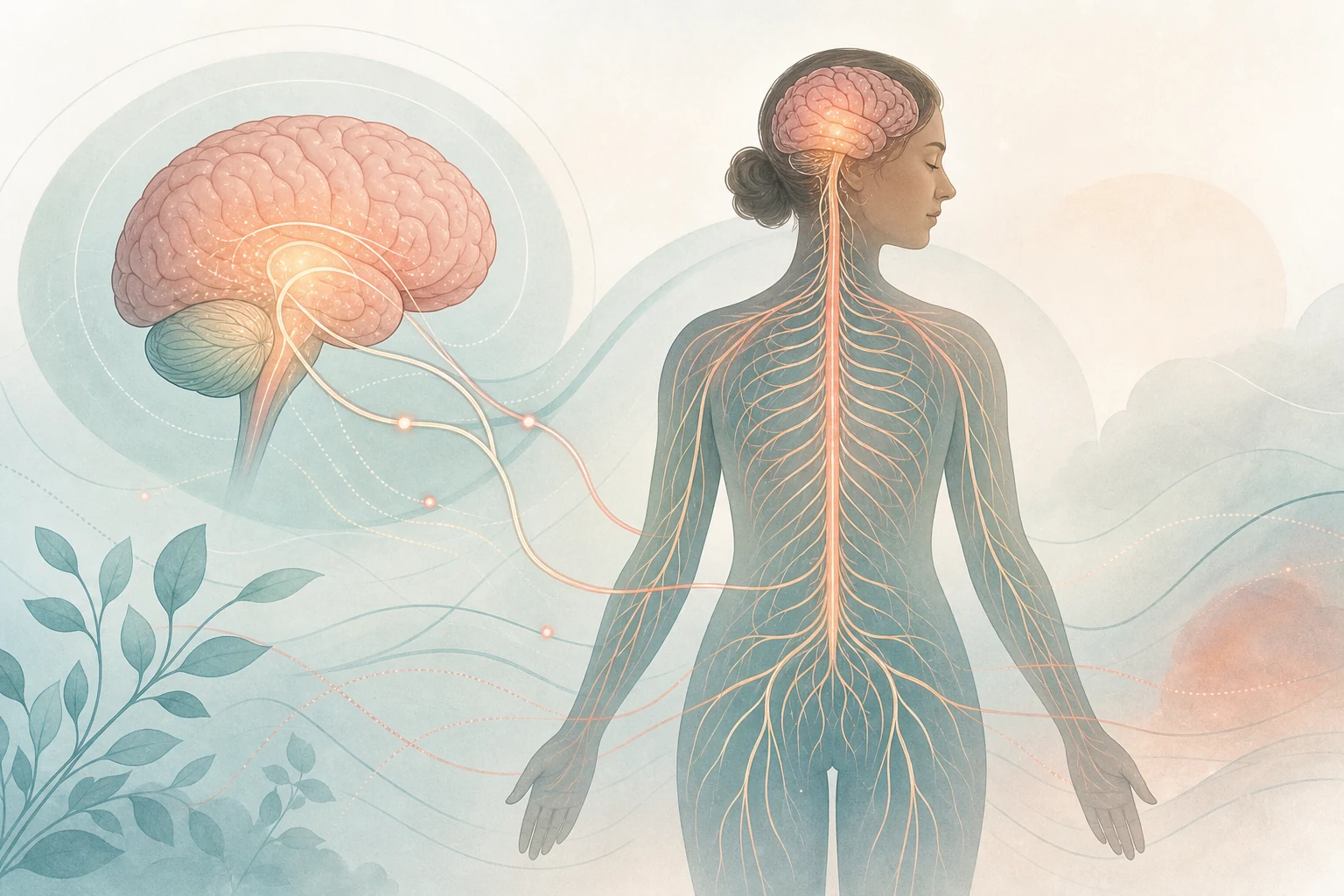
A traumatic experience is not only an event; it is an event that overwhelms a person's ability to cope in the moment. The brain may respond by prioritizing speed over reflection. Attention narrows, stress hormones rise, and the body prepares for fight, flight, freeze, or shutdown. That response can protect someone during danger, but it can become exhausting when it remains easy to trigger later.
This is why trauma-related symptoms can feel confusing. A smell, sound, facial expression, location, anniversary, or body sensation may set off a reaction that feels much larger than the present moment. The brain is not choosing to overreact. It may be using older threat-learning to predict danger quickly, even when the current situation is different.
How Trauma Affects the Brain and Body Together
The brain and body are part of one stress-response system. When the brain reads a situation as threatening, it signals the autonomic nervous system and the hormone systems that help the body mobilize. Heart rate may rise. Muscles may tense. Breathing may become shallow. Digestion and sleep may shift because the body is preparing for survival rather than rest.
After ordinary stress, the system usually settles. After trauma, especially repeated trauma, the return-to-calm process may become less reliable. Some people feel constantly alert; others feel numb, disconnected, or unusually tired. These responses can change throughout the day. A person might look calm on the outside while their body is still scanning for danger.
This mind-body loop matters because healing is rarely only a matter of thinking differently. Many people benefit from a combination of emotional support, body-based regulation skills, steady routines, and trauma-focused therapy. A private PTSD self-check cannot explain every body reaction, but it can help you put common symptom patterns into words before a support conversation.
Amygdala, Hippocampus, and Prefrontal Cortex
Three brain areas are often discussed when people ask how does trauma affect the brain physically.
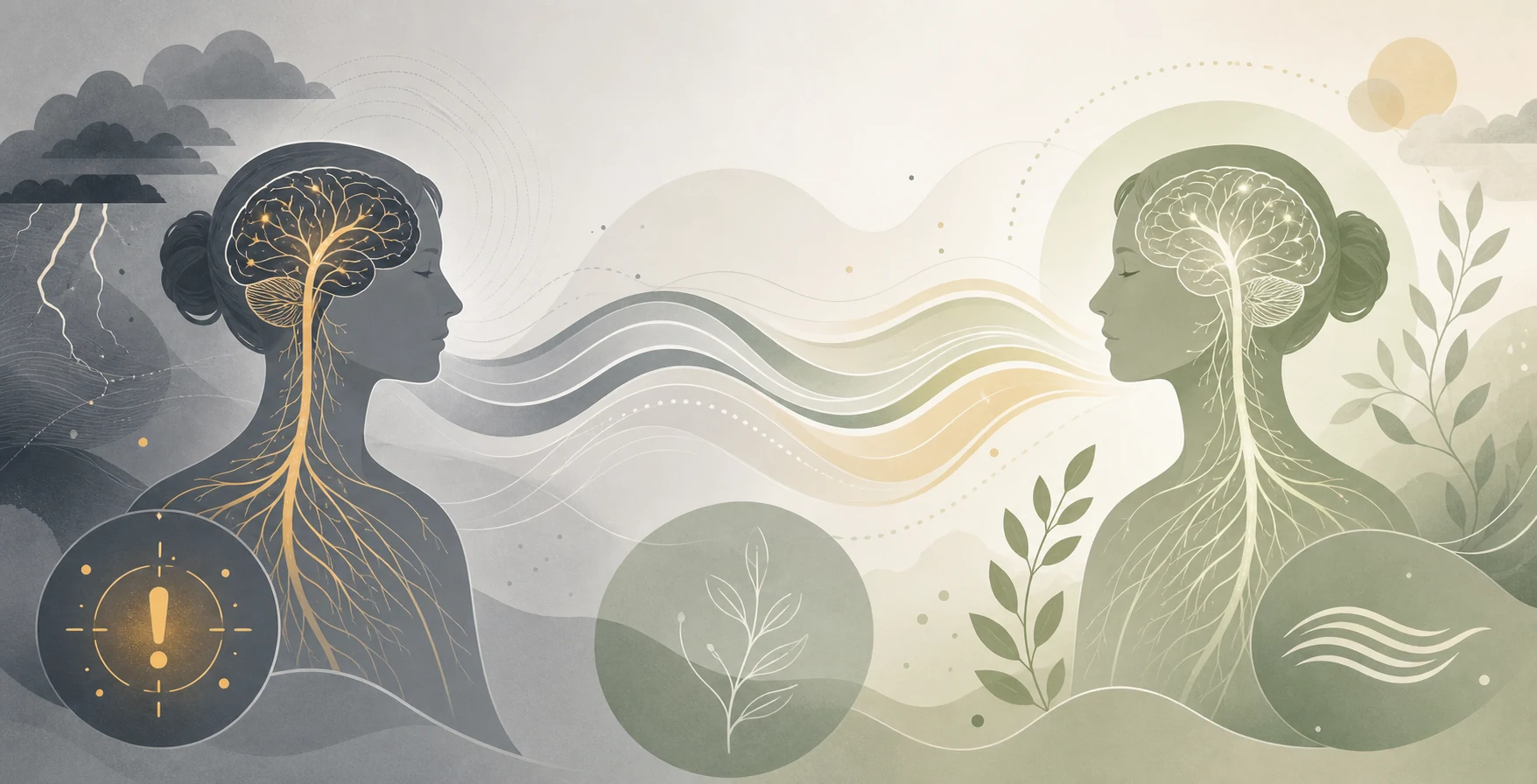
The amygdala helps detect threat and attach emotional importance to experience. After trauma, it may become more reactive to reminders of danger. This can contribute to startle responses, fear surges, anger spikes, or a feeling that something bad is about to happen.
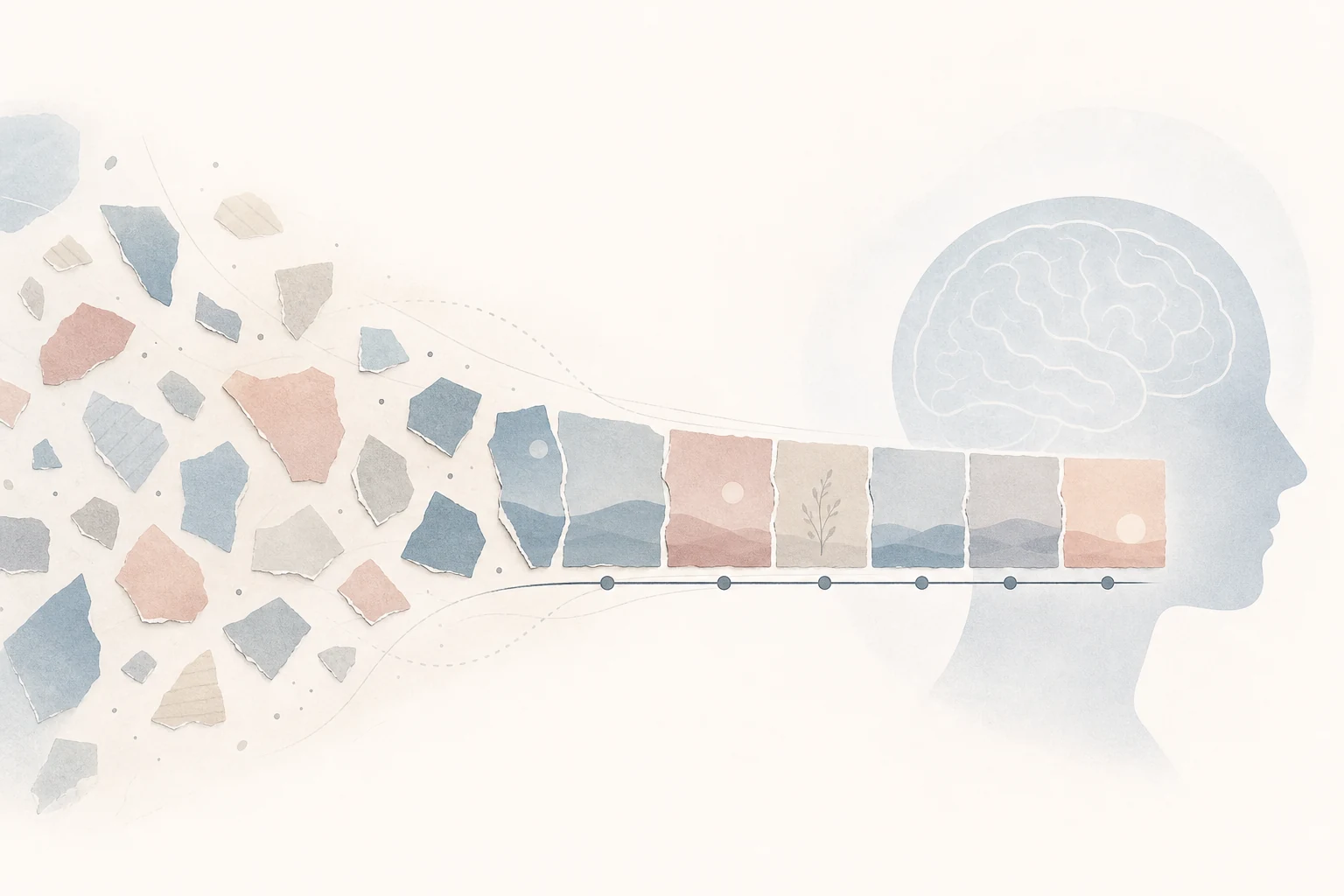
The hippocampus helps place memories in context, including when something happened and whether it belongs to the past. Trauma can interfere with that contextual processing. A memory may return as fragments, body sensations, images, or emotions rather than as a neat story with a clear beginning and end.
The prefrontal cortex supports planning, impulse control, flexible thinking, and the ability to pause before responding. Under high stress, this part of the brain can become less available. That is one reason a person may later wonder, "Why did I freeze?" or "Why could I not think clearly?" In the moment, survival systems may have taken priority over reflective thought.
These brain changes do not mean someone is broken. They describe how a nervous system can adapt under pressure. The same brain that learns danger can also learn safety again through repeated, supported experiences.
How Trauma Affects Memory
Trauma memories can feel different from ordinary memories. Some people remember too much: images, sounds, sensations, or intrusive scenes that appear without invitation. Others remember too little: gaps, fog, or a sense that the event is distant and unreal. Both patterns can happen because the brain is managing overload.
Memory is not a perfect recording. During traumatic stress, attention may focus on the most survival-relevant details while other details are stored less clearly. Later, the nervous system may react to partial reminders. A certain tone of voice, a crowded room, or a sudden noise can carry emotional force because the brain links it to prior danger.
This helps explain why trauma can affect behaviors. Avoidance may be an attempt to prevent reminders. Irritability may reflect a body already close to threat mode. Trouble concentrating may come from the brain dividing attention between present tasks and background scanning. Sleep problems may appear when the nervous system struggles to fully stand down.
How Trauma Can Affect a Child's Developing Brain
Childhood trauma can affect the developing brain because early life is a period of rapid growth. Children depend on safe, consistent adults to help regulate stress. When danger, neglect, violence, or frightening unpredictability is repeated, the brain may adapt around survival rather than exploration.
In children, trauma may show up as sleep issues, separation distress, aggression, shutdown, difficulty learning, physical complaints, or strong reactions to small changes. These are not character flaws. They can be signs that the child's nervous system is using protective patterns.
The phrase how does trauma affect the brain of a child should always be handled with care. A child's brain is still developing, which can make early adversity impactful. At the same time, supportive relationships, predictable routines, therapy, school support, and safe environments can make a meaningful difference. For teenagers, trauma may interact with identity development, peer relationships, risk-taking, and the still-maturing systems involved in judgment and impulse control.
Adults who experienced childhood trauma may notice long-term patterns in relationships, memory, emotional regulation, or body tension. That does not mean the past permanently controls the future. It means the present may need patient support that matches what the nervous system learned early.
Does Trauma Change the Brain Permanently?
Trauma can leave long-term effects, but "long term" does not have to mean fixed forever. The brain is plastic, which means it can change with repeated experience. Recovery often involves helping the nervous system update its predictions: this is now, that was then; this person is safe, that person was not; this feeling is intense, but it can pass.
Progress is often uneven. Someone may feel better for weeks and then react strongly to a reminder. That does not mean they failed. It may mean the brain has encountered a cue that still needs support, context, and practice. Trauma healing can take time because the brain and body are not only learning ideas; they are learning new patterns of safety.
Helpful supports may include trauma-focused therapy, grounding skills, sleep care, gentle movement, social support, journaling, and medical care when symptoms affect daily life. If there is immediate risk of harm, crisis support or emergency help is more appropriate than online reading.
A Practical Way to Notice Trauma-Related Brain Patterns
You do not need a brain scan to begin noticing patterns. A simple reflection can help you see whether your reactions cluster around threat detection, memory, body arousal, or avoidance.
Try writing down four columns for one week:
- Trigger or situation: What was happening right before the reaction?
- Body response: What changed in breathing, muscles, stomach, sleep, or energy?
- Memory or meaning: Did the moment connect to an old fear, image, or belief?
- Recovery cue: What helped even a little, such as stepping outside, calling someone, slowing your breath, or naming the date and place?
This is not about judging yourself. It is a way to make invisible patterns more visible. If you later speak with a therapist, doctor, or trusted support person, notes like these can make the conversation clearer.

Using Brain Knowledge as a Next Step
Understanding how trauma affects the brain can reduce shame. It can remind you that reactions such as hypervigilance, intrusive memories, emotional numbness, or avoidance are not moral failures. They are signals that the nervous system may still be protecting you in old ways.
If you are wondering whether your experiences resemble common PTSD symptom patterns, you can explore a gentle place to organize what you are noticing. Keep the result in perspective: an online screening result is not a clinical verdict. It may be most useful as a starting point for reflection, documentation, or a conversation with a qualified professional.
The next step does not have to be dramatic. It might be naming one trigger, practicing one grounding skill, improving one sleep routine, or asking one safe person for support. Small, repeated signals of safety are often how the brain begins to update what it expects from the world.
FAQ
How does trauma affect the brain and memory?
Trauma can make memory feel fragmented, intense, incomplete, or unusually vivid. During overwhelming stress, the brain may prioritize survival details and body sensations over a clean timeline. Later, reminders can bring back emotions or physical reactions even when the person knows they are in the present.
How does trauma affect the brain and body?
The brain reads threat and then signals the body to mobilize. This can affect heart rate, breathing, muscle tension, digestion, sleep, and energy. When the system stays alert too easily, a person may feel jumpy, numb, exhausted, or unable to relax.
How does childhood trauma affect the brain in adulthood?
Childhood trauma can shape how the nervous system learns safety, trust, emotion regulation, and threat detection. In adulthood, this may appear as relationship sensitivity, avoidance, body tension, memory gaps, or strong reactions to reminders. Supportive relationships and appropriate care can still help the brain build new patterns.
Can the brain heal after emotional trauma?
The brain can change through repeated safe experiences, therapy, coping skills, and supportive relationships. Healing is usually gradual rather than instant. Many people improve by combining professional support with everyday regulation practices such as grounding, sleep routines, movement, and connection.
Why does trauma take so long to heal?
Trauma healing can take time because the brain and body are learning that danger is no longer present. Survival patterns may have been practiced many times, especially after repeated or early trauma. New patterns often need repetition, safety, and patience.
How can someone release trauma from the body?
People often use the phrase "release trauma" to describe reducing body tension, fear, or shutdown. Gentle movement, breathing exercises, grounding, trauma-informed therapy, and safe connection may help. Intense symptoms, self-harm thoughts, or feeling unsafe are reasons to seek professional or emergency support.