Trauma and Stressor Related Disorders: DSM-5 Meaning, Symptoms, and Examples
Trauma and stressor related disorders are mental health conditions in which exposure to a traumatic or highly stressful event is central to the way symptoms develop. People often search this phrase after hearing about PTSD, acute stress disorder, adjustment disorder, or an unspecified trauma response and wondering how those terms fit together. A careful overview can help you sort the language without turning a search result into a personal label. If you are trying to organize your own experiences before a conversation with a clinician, an educational PTSD screening tool can be one low-pressure way to reflect on symptoms, while still remembering that screening is not the same as professional evaluation.

What Trauma and Stressor Related Disorders Means
In psychology, trauma and stressor related disorders are grouped together because the stressful or traumatic event is not just background context. It is part of the condition's defining pattern. That does not mean everyone who goes through trauma will develop a disorder. Many people have short-term distress, grief, sleep changes, jumpiness, or intrusive memories that ease with time and support.
The key idea is that symptoms become clinically important when they persist, impair daily life, or take a form that fits a recognized pattern. The phrase also covers more than PTSD. PTSD is the best-known condition in the group, but the broader category includes several reactions that differ by age, timing, duration, type of stressor, and symptom profile.
This is why the term can feel confusing. A person may have trauma-related symptoms without meeting the full pattern for PTSD. Another person may be dealing with a stressful life change rather than a narrowly defined traumatic event. A child may show attachment-related symptoms after severe neglect. The category gives clinicians a framework for these differences, while the details still require careful assessment.
Trauma and Stressor Related Disorders in DSM-5 and DSM-5-TR
In DSM-5 and DSM-5-TR discussions, trauma- and stressor-related disorders are separated from anxiety disorders because exposure to trauma or stress is central to the category. The commonly discussed list includes posttraumatic stress disorder, acute stress disorder, adjustment disorders, reactive attachment disorder, disinhibited social engagement disorder, other specified trauma- and stressor-related disorder, and unspecified trauma- and stressor-related disorder. DSM-5-TR also includes prolonged grief disorder in this broader area of stress-related conditions.
The exact criteria are more detailed than a short article should try to reproduce. Still, a plain-English map is useful:
- PTSD involves trauma exposure followed by patterns such as intrusion, avoidance, negative shifts in mood or beliefs, and heightened arousal that continue beyond the early aftermath.
- Acute stress disorder can include similar post-trauma symptoms, but it belongs to the earlier period after the event.
- Adjustment disorders involve emotional or behavioral symptoms in response to an identifiable stressor, often a major life change or ongoing strain.
- Reactive attachment disorder and disinhibited social engagement disorder are childhood conditions linked to severe problems in early caregiving.
- Other specified and unspecified categories are used when clinically significant symptoms are present but the available information or symptom pattern does not fit neatly into another named condition.
Those labels are not interchangeable. Timing matters. Developmental history matters. The nature of the event matters. Functional impact matters.
Common Symptoms and Patterns to Notice
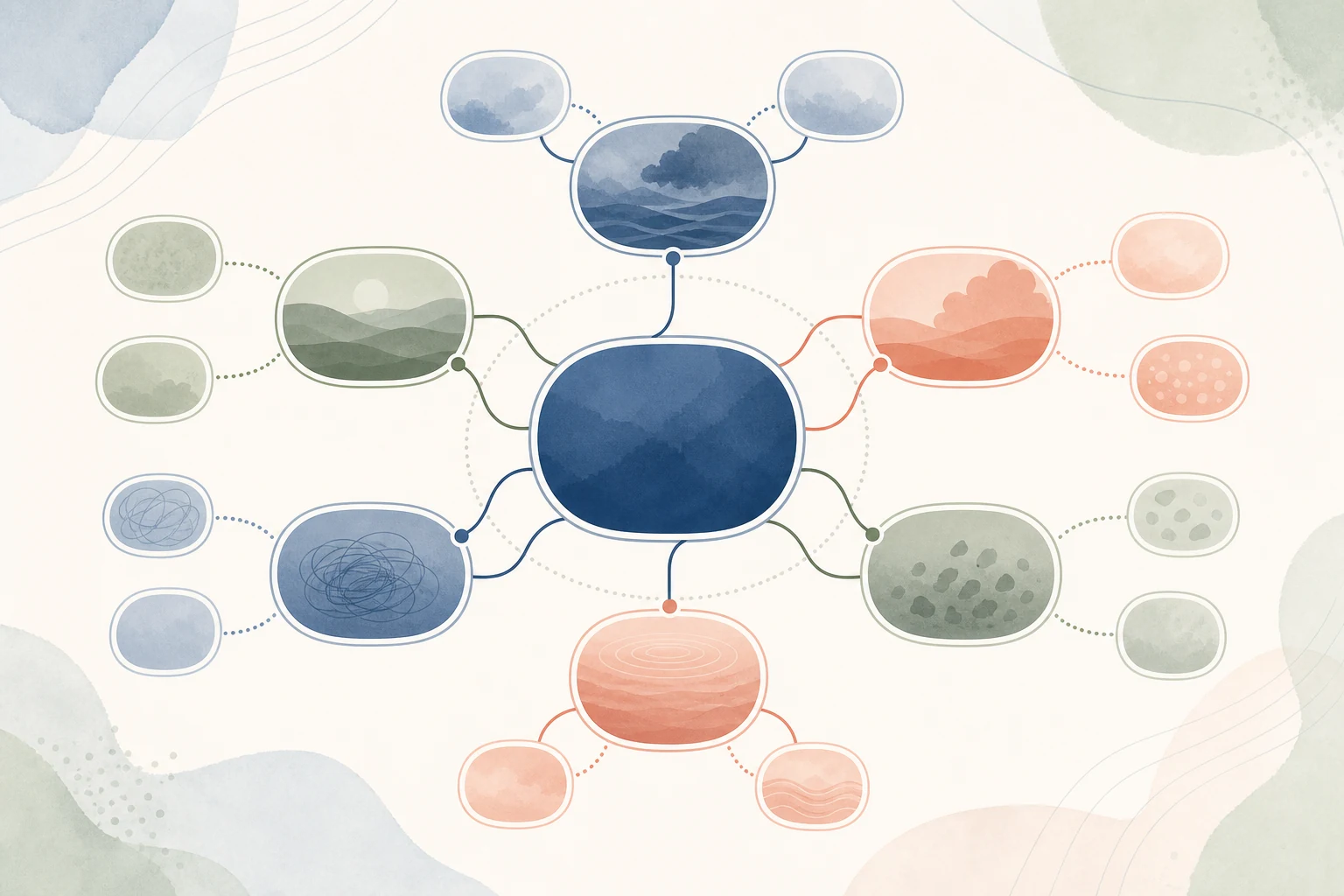
Trauma and stressor related disorders symptoms can look emotional, physical, cognitive, relational, and behavioral. They may not always appear obviously connected to the original event. Some people feel numb rather than visibly upset. Some become irritable, restless, guarded, or detached. Others avoid reminders so thoroughly that the link to trauma becomes hard to see from the outside.
Common symptom patterns include:
- intrusive memories, nightmares, or feeling pulled back into the event
- avoiding places, conversations, people, news, smells, sounds, or activities that act as reminders
- negative beliefs about oneself, other people, safety, blame, or the future
- emotional numbness, shame, anger, fear, guilt, or difficulty feeling close to others
- sleep problems, concentration problems, startle responses, muscle tension, or feeling on guard
- changes in school, work, parenting, relationships, substance use, or daily routines
Symptoms also vary by age. Children may show distress through play, clinginess, school problems, stomachaches, headaches, or behavior changes. Teens and adults may describe flashbacks, avoidance, anger, withdrawal, sleep disruption, or feeling disconnected from their own life. None of these signs alone proves a specific condition, but they can be useful clues to record and discuss.
If PTSD-like symptoms are the main concern, a private PTSD self-reflection tool may help you organize what has been happening over the past month. Use the result as a conversation starter or a personal note, not as a final answer.
Examples: How the Main Conditions Differ
Examples can make the category easier to understand. Imagine someone who survives a serious crash and, six weeks later, still avoids driving, has intrusive memories, sleeps poorly, and feels constantly alert. That pattern may raise questions about PTSD if it meets the full clinical picture and causes meaningful impairment.
Now imagine someone who has intense distress, dissociation, nightmares, and avoidance in the first few weeks after a traumatic event. That early timing may point clinicians to acute stress disorder rather than PTSD. The distinction is not about whether the distress is real. It is about where the symptoms fall in time and how long they last.
Adjustment disorder is different again. A person might become overwhelmed after a job loss, divorce, caregiving crisis, relocation, or other identifiable stressor. The response may include anxiety, low mood, behavior changes, or trouble functioning, but it may not involve the same trauma-specific symptom pattern as PTSD.
Childhood attachment-related disorders sit in another part of the map. Reactive attachment disorder and disinhibited social engagement disorder are associated with severe early caregiving neglect or deprivation. They are not adult shorthand for relationship anxiety, and they should not be casually applied to ordinary attachment struggles.
Other specified trauma- and stressor-related disorder and unspecified trauma- and stressor-related disorder are also easy to misunderstand. These categories do not mean "mild" or "not real." They may be used when symptoms are significant but the picture is incomplete, mixed, atypical, or does not fully match a named condition. In everyday language, it is safest to say that symptoms deserve attention without trying to assign a formal label yourself.
ICD-10, F Codes, and Why They Can Be Confusing
Searches for trauma and stressor related disorders ICD-10 often lead to F-code language. ICD and DSM systems are related to clinical coding and classification, but they are not written for the same purpose as a self-help article. In the United States, PTSD is commonly associated with F43.10 when coded without additional subtype detail, while unspecified reactions to severe stress may appear under F43.9. Other specified presentations may be associated with nearby F43 codes depending on the coding system and clinical context.
For readers, the practical point is simple: codes are administrative and clinical tools. They are not a personal identity statement, and they are not something to choose by keyword matching. A clinician considers the event, timing, symptoms, impairment, age, medical history, substance use, culture, safety, and other mental health conditions before selecting a code.
This also explains why search results can disagree. Some pages focus on DSM-5 criteria, some on DSM-5-TR category updates, some on ICD-10-CM billing codes, and some on educational summaries. When you read them, separate three questions: What happened? What symptoms are present? How are those symptoms affecting life now?
When Self-Reflection May Help
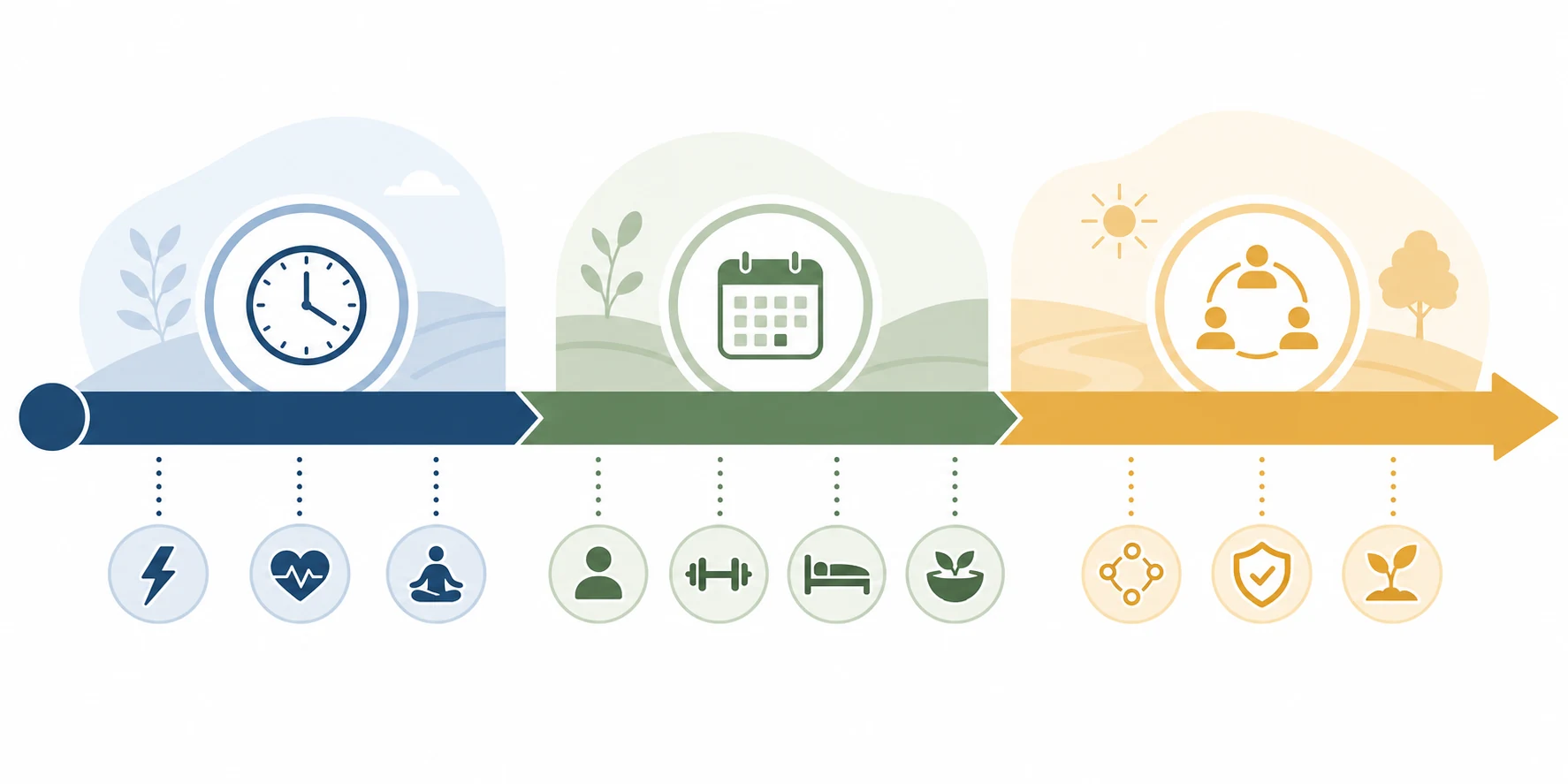
Self-reflection is useful when it slows the rush to self-label and gives you a clearer record. Instead of asking, "Which disorder do I have?" try asking:
- What event or stressor am I connecting these symptoms to?
- When did the symptoms begin?
- What has changed in sleep, attention, mood, body tension, relationships, or avoidance?
- What reminders seem to intensify the reaction?
- What helps me feel safer or more present?
- What is getting harder to do at work, school, home, or in relationships?
Write answers in plain language. Include dates if you can. If you later speak with a therapist, doctor, or counselor, this record may make the conversation more grounded. It can also help you avoid minimizing symptoms that have slowly become normal to you.
For urgent safety concerns, self-reflection tools are not enough. If you might hurt yourself or someone else, feel unable to stay safe, or are in immediate danger, contact local emergency services or a crisis line in your area. For non-emergency but persistent distress, a qualified mental health professional can help you understand what kind of support fits your situation.
A Gentle Next Step for Understanding Trauma Symptoms
Trauma and stressor related disorders can be easier to understand when you treat the category as a map, not a verdict. The map shows how PTSD, acute stress disorder, adjustment disorders, childhood attachment-related disorders, and other specified or unspecified presentations relate to trauma or stress. It also shows why symptoms, timing, developmental context, and impairment all matter.
If your main question is whether current symptoms resemble common PTSD patterns, a gentle place to organize symptoms before seeking support can help you reflect in a private, structured way. Keep the language modest: a screening result can suggest what to pay attention to, help you prepare notes, or encourage a supportive conversation. It should not replace care, override your own safety needs, or define your whole story.

FAQ
What is a trauma and stressor-related disorder?
A trauma and stressor-related disorder is a mental health condition in which exposure to a traumatic or stressful event is central to the symptom pattern. The category includes PTSD, acute stress disorder, adjustment disorders, and several other presentations. The term does not mean every stress reaction is a disorder.
What are the trauma and stressor related disorders in DSM-5?
Commonly discussed DSM-5 trauma- and stressor-related disorders include PTSD, acute stress disorder, adjustment disorders, reactive attachment disorder, disinhibited social engagement disorder, other specified trauma- and stressor-related disorder, and unspecified trauma- and stressor-related disorder. DSM-5-TR discussions also include prolonged grief disorder in this broader stress-related area.
What are the 4 types of stress disorders?
People often use "4 types" informally, but the formal category is broader than four. Many summaries focus on PTSD, acute stress disorder, adjustment disorders, and childhood attachment-related disorders. A fuller DSM-style overview also includes other specified and unspecified categories, and DSM-5-TR adds prolonged grief disorder to the wider picture.
What is trauma and stressor-related disorder unspecified?
Unspecified trauma- and stressor-related disorder is used when trauma- or stressor-related symptoms are clinically significant but the information or pattern does not clearly fit a more specific named condition. It is a clinical classification, not a casual self-label.
How is PTSD different from acute stress disorder?
PTSD and acute stress disorder can share several symptom types, but timing is a major difference. Acute stress disorder belongs to the early aftermath of trauma, while PTSD involves symptoms that continue beyond that early period. A clinician also considers the full symptom pattern and functional impact.
Can trauma symptoms appear without obvious flashbacks?
Yes. Some trauma-related symptoms are less obvious than flashbacks. A person may notice avoidance, emotional numbness, irritability, sleep problems, body tension, guilt, shame, concentration trouble, or feeling detached from others. These symptoms still deserve attention if they are persistent or disruptive.
Is an online screening tool enough to identify a trauma disorder?
No. Online screening can support reflection, but it cannot provide a full clinical evaluation. Trauma-related symptoms can overlap with anxiety, depression, grief, substance use, sleep problems, medical issues, and other concerns. Professional support is important when symptoms are intense, persistent, confusing, or affecting daily life.