PTSD Physical Symptoms: The Hidden Mind-Body Connection
When physical pain has no clear medical explanation, could it be connected to trauma? Many trauma survivors experience puzzling physical symptoms. These range from chronic pain to digestive issues. Often, these don't show up on medical tests but still significantly impact daily life. You might visit a doctor for a racing heart or constant muscle tension only to be told that "everything looks normal." This can be incredibly frustrating. It is confusing when your body feels like it is in a state of constant emergency.
If you are struggling with physical pain that won't go away, you are alone. This guide explores the often-overlooked connection between PTSD and physical health. It helps you understand how trauma can manifest in your body and what you can do about it. One of the best ways to begin understanding these patterns is to check your symptoms using a scientifically backed screening tool. By identifying the mental side of your experience, you can find the missing piece of your physical health puzzle.

Understanding the Physical Manifestations of PTSD
Post-Traumatic Stress Disorder (PTSD) is often discussed as a mental health condition involving flashbacks and anxiety. However, the PTSD physical symptoms are just as real. They can be just as debilitating as the emotional ones. When a person experiences trauma, their brain enters a survival mode. This changes how the entire body functions. This "survival mode" is meant to be temporary. For many survivors, however, the body remains stuck in a high-alert state for months or even years.
Common Physical Symptoms of PTSD You Might Not Recognize
Many people are surprised to learn that their physical ailments are actually signs of unresolved trauma. While everyone experiences trauma differently, there are several common patterns. You might experience chronic fatigue, even if you feel like you haven't done much during the day. This happens because your nervous system is working overtime to "protect" you from perceived threats that aren't there.
Other common physical signs include:
- Chronic Headaches and Migraines: Tension in the neck and shoulders often leads to frequent, painful headaches.
- Digestive Issues: Problems like IBS, stomach cramps, or nausea are very common. This is because the gut is highly sensitive to stress hormones.
- Chest Pain and Palpitations: A racing heart or a feeling of "tightness" in the chest often mimics heart problems. In many cases, it is actually a result of the body's alarm system.
- Muscle Tension: Holding your body in a "braced" position can cause widespread pain in the back, jaw, and limbs.
If these symptoms sound familiar, it may be time to start your test to see if trauma is the underlying cause.
The Science Behind Psychosomatic Symptoms of Trauma
The term "psychosomatic" is often misunderstood. It doesn't mean your symptoms are imaginary. Instead, it describes how emotional distress creates real physical changes in your body. When you experience trauma, your brain's amygdala signals the adrenal glands. This signals the release of a flood of cortisol and adrenaline.
In a healthy system, these levels drop once the danger passes. In a person with PTSD, the levels stay high. This constant "chemical bath" wears down your organs and weakens your immune system. It also keeps your muscles perpetually tight. This is the mind-body connection in action. Your body is physically reacting to the memories and emotions that your mind is trying to process. Because the body is stuck in a loop, the physical symptoms become a chronic part of your daily life.
The Mind-Body Connection in Trauma Recovery
Recognizing that your body and mind are connected is a vital part of the healing process. Traditional medical treatments often only offer temporary relief for physical pain. This is because they don't address the root cause: trauma stored in your nervous system. Recovery involves teaching your body that the danger is over. You must help it learn that it is finally safe to relax.
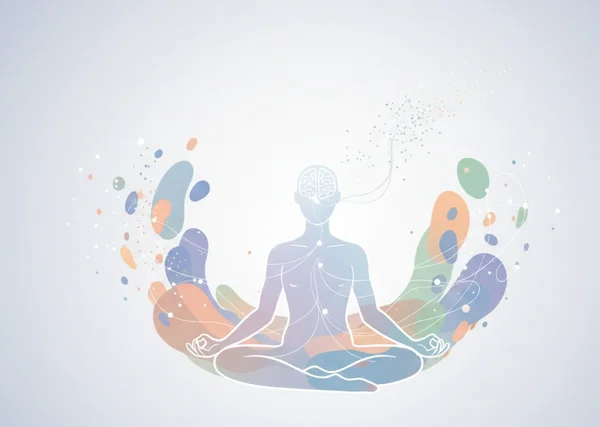
Why Your Body Remembers When Your Mind Tries to Forget
You may consciously try to push away a traumatic memory, but your body often has a memory of its own. This is sometimes called "cell memory" or "the body keeps the score." For example, a person who was in a car accident might feel their muscles lock up every time they smell exhaust fumes. This happens even if they aren't consciously thinking about the accident at that moment.
The body stores trauma as a physical sensation rather than a clear story. This is why you might feel a sudden wave of nausea or a spike in heart rate without knowing why. Your body is reacting to a "trigger" in the environment that reminds it of the past. Understanding this can help you be more compassionate toward yourself. Your body isn't "broken." Instead, it is trying to protect you. To understand your specific triggers and reactions, you can take a test that looks at these patterns.
Breaking the Cycle: How to Address Physical Symptoms of PTSD
Breaking the cycle of physical pain requires two approaches. First, address the physical sensations as they happen. Grounding techniques can be very helpful here. For example, the "5-4-3-2-1" technique forces your brain to focus on your physical surroundings. This pulls focus away from the internal alarm.
Second, you need to work on the underlying trauma causing them. Therapies like Somatic Experiencing or EMDR focus specifically on how trauma is held in the body. These methods help "discharge" the stored energy from your nervous system. Even simple daily habits can help, such as:
- Gentle Stretching: Focus on releasing the jaw and shoulders.
- Deep Breathing: This signals the vagus nerve to turn off the "fight or flight" response.
- Validation: Acknowledging that your pain is a trauma response can reduce the anxiety that makes the pain worse.
Living with Chronic Illness and PTSD
For many people, the relationship between PTSD and chronic illness is a long-term struggle. Research shows that people with PTSD are at a higher risk for developing autoimmune diseases. They also face higher rates of fibromyalgia and chronic fatigue syndrome. The stress of living with a chronic illness can also make PTSD symptoms worse. This creates a difficult cycle to manage.

The Vicious Cycle: How Physical Symptoms Worsen PTSD
When you are in physical pain, your "window of tolerance" for emotional stress becomes much smaller. A small setback that you might usually handle can feel like a disaster. This is especially true when you are also dealing with a migraine or a flare-up of joint pain. This increased stress then triggers more PTSD symptoms, like irritability or hypervigilance.
This cycle can lead to a feeling of hopelessness. You might feel like you are fighting a losing battle on two fronts. The physical pain reminds you of your vulnerability. This triggers the trauma, which then causes more physical pain. Breaking this cycle starts with accurate information. Using a PTSD test online can help you determine if your chronic illness flare-ups are linked to specific trauma symptoms.
Holistic Approaches to Managing Both Conditions
Managing both PTSD and chronic illness requires a "whole-person" approach. You cannot treat the body without treating the mind, and vice versa. Many survivors find success by combining traditional medical care with trauma-informed practices.
Consider these strategies:
- Trauma-Informed Medical Care: Look for doctors who understand how trauma affects physical health.
- Anti-Inflammatory Lifestyle: Trauma causes systemic inflammation. Diets rich in antioxidants and low in processed sugars can sometimes help lower the physical "noise" in your system.
- Pacing: Learn to listen to your body’s signals. Try to rest before you are completely exhausted.
- Mental Health Support: Working with a therapist to process trauma can often lead to a significant reduction in chronic pain levels over time.
Taking the Next Step in Your Healing Journey
Recognizing how your physical symptoms connect to your trauma can transform your healing journey from a mystery to a path forward. If you have been struggling with unexplained physical symptoms, please know that your experience is valid. Your body is telling a story that your mind might not be ready to put into words yet. By acknowledging the mind-body connection, you open the door to a more effective and compassionate way of healing.
Taking small, compassionate steps toward understanding your PTSD symptoms can make the path to healing feel manageable. You can start by simply gathering more information about your current state. We encourage you to use our free online test to get a clearer picture of how trauma might be affecting you. This confidential tool is based on the PCL-5 standard and provides an immediate summary of your symptoms. Whether you choose to seek professional therapy or explore self-help strategies, knowing where you stand is the first step toward reclaiming your life.
Frequently Asked Questions About PTSD Physical Symptoms
Can PTSD cause physical pain with no clear medical explanation?
Yes, this is very common. When the body is in a state of chronic "fight or flight," it creates real physical tension and chemical changes. This can lead to headaches, back pain, and digestive issues that doctors cannot find a structural cause for. If you are experiencing this, try our free tool to see if trauma might be the missing link.
How do I know if my physical symptoms are related to trauma?
Symptoms related to trauma often "flare up" during times of emotional stress. They may also appear when you are exposed to triggers. They may also be accompanied by other PTSD signs like nightmares, avoidant behavior, or feeling "on edge." An online ptsd test can help you see if your physical and emotional symptoms align with the PCL-5 criteria.
Can treating PTSD resolve physical symptoms?
In many cases, yes. As the nervous system begins to feel safer, it moves out of a constant state of emergency. Consequently, the physical symptoms of tension and inflammation often decrease. Many people report that as they process their trauma in therapy, their chronic pain or digestive issues significantly improve or even disappear.
Should I see a doctor or mental health professional first for physical symptoms?
It is always wise to see a medical doctor first. This helps to rule out any immediate physical dangers or conditions. However, if medical tests come back clear and the pain persists, seeing a mental health professional is an excellent next step. You can bring your test results to help start that conversation.
Are there specific exercises that can help with PTSD-related physical symptoms?
Gentle, "bottom-up" exercises are usually best. This includes activities like yoga, Tai Chi, or slow walking. These activities help you reconnect with your body in a safe way. This happens without overwhelming your nervous system. The goal is to feel the sensations in your body without triggering a fear response.