PTSD Test Recovery Roadmap: Building Your Personalized Healing Plan
Taking that first step to understand your trauma takes real courage. If you've recently completed a PTSD screening, you might be holding your results and wondering, "What's the next step on this journey?" It's a common feeling, but you're not alone. Your results are not a label; they are a map. This guide will help you use the insights from your PTSD test to build a personalized recovery roadmap, turning understanding into a concrete plan for healing.
Understanding Your PTSD Test Results
Before you can build a strategy for recovery, it’s essential to truly understand what your screening reveals about your unique experiences and symptoms. This is the foundation of your entire plan.
Decoding PCL5 Scores: What Your Numbers Mean
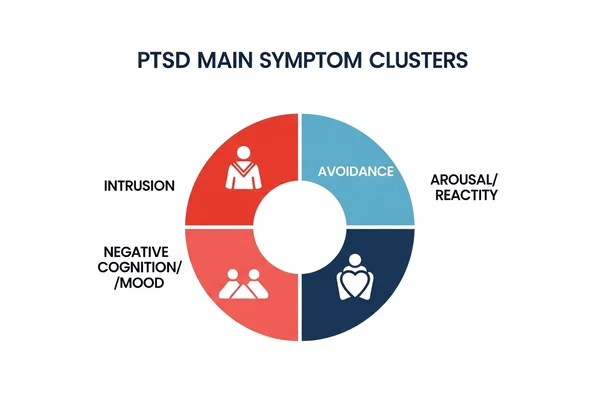
The PTSD Checklist for DSM-5 (PCL5), the standard used in our assessment, provides more than just a single number. While scores of 31-33 often suggest a provisional PTSD diagnosis may be likely, the real value lies in the details. Your score is broken down into four distinct symptom clusters that paint a clearer picture of your experience:
- Intrusion Symptoms: This includes distressing memories, flashbacks, and nightmares that make you feel like you are reliving the traumatic event.
- Avoidance: This refers to efforts to avoid thoughts, feelings, or external reminders (people, places, activities) associated with the trauma.
- Negative Alterations in Cognition and Mood: This cluster covers persistent negative beliefs, distorted thoughts about the cause of the trauma, feelings of detachment, and an inability to experience positive emotions.
- Alterations in Arousal and Reactivity: This relates to symptoms like irritability, angry outbursts, reckless behavior, hypervigilance, and an exaggerated startle response.
Your free PTSD test results provide a visual breakdown of these clusters, helping you and any mental health professional you work with to pinpoint exactly where to focus your initial efforts.
Recognizing Your Unique Symptom Profile
PTSD is not a one-size-fits-all condition. One person may struggle primarily with intrusive flashbacks, while another may feel emotionally numb and detached from the world. Our optional AI analysis report goes a step further by interpreting your unique pattern of responses to:
- Connect symptoms to potential triggers: It can highlight patterns, suggesting how certain situations (like crowded spaces or loud noises) might be linked to your higher-scoring symptoms.
- Identify personal strengths: The report often highlights positive indicators, such as your courage in seeking help, which is a key component of resilience.
- Flag co-occurring challenges: It can help identify related issues like severe sleep disturbances or heightened anxiety that should be addressed in your plan.
"The customized report helped me explain my nighttime panic attacks to my therapist using terms I wouldn't have known otherwise. It gave me the vocabulary to describe what was happening." - Sarah, a user of our assessment tool.
Creating Your Personalized PTSD Recovery Plan
With a clear understanding of your symptoms in hand, you are now equipped to build a practical and effective healing strategy tailored specifically to you.
Setting Realistic Recovery Goals Based on Your Symptoms
A good recovery plan starts with achievable goals. Using the SMART (Specific, Measurable, Achievable, Relevant, Time-bound) framework helps you create goals that are clear and motivating. Target your highest-scoring PCL5 areas first.
- For Avoidance Symptoms: A goal could be: "This week, I will walk past the park I've been avoiding for 5 minutes with a supportive friend."
- For Hyperarousal Symptoms: Try something like: "I will practice a 10-minute guided breathing exercise every morning for the next two weeks to manage my anxiety."
- For Negative Thoughts: A goal might be: "When I have a negative thought about myself, I will write it down and challenge it with one piece of contrary evidence."
Start small. Each small victory builds the momentum you need for lasting change.

Building Your Support Team: Therapists, Peers & Family
You do not have to walk this path alone. Professional guidance is a cornerstone of recovery. Research from the National Institute of Mental Health (NIMH) shows that evidence-based therapies like Cognitive Processing Therapy (CPT) and Eye Movement Desensitization and Reprocessing (EMDR) are highly effective. Use your test results to:
- Find the right specialist: Your symptom profile can help you search for a therapist specializing in your specific challenges (e.g., a specialist in trauma-related sleep disorders).
- Inform your therapy: Share your results with your therapist to give them a clear, data-informed starting point for your sessions.
- Educate your loved ones: Use the report to help friends and family understand what you're going through in concrete terms, making it easier for them to offer meaningful support.
Need specialist referrals? Our resources section can help you find trauma-informed providers and support groups in your area.
Incorporating Self-Care Strategies into Your Daily Routine
Professional treatment is most effective when paired with consistent self-management techniques. These strategies empower you to manage symptoms between therapy sessions.
| Symptom | Strategy | Description |
|---|---|---|
| Flashbacks/Dissociation | 5-4-3-2-1 Grounding | Name 5 things you can see, 4 you can touch, 3 you can hear, 2 you can smell, and 1 you can taste. |
| Nightmares/Insomnia | Sleep Hygiene Protocol | Create a calming bedtime routine: no screens an hour before bed, ensure the room is dark and cool, and avoid caffeine. |
| Anger/Irritability | TIPP Skill (DBT) | Temperature (splash cold water on your face), Intense exercise (for 60 seconds), Paced breathing, Paired muscle relaxation. |
The free PTSD assessment tool provides personalized self-care recommendations based on your unique symptom profile.

Tracking Progress and Adjusting Your Plan
Healing doesn't happen in a straight line. There will be good days and hard days. Regular check-ins are essential to ensure your plan evolves with your needs and celebrates your progress.
Tools for Monitoring Your PTSD Symptoms Over Time
Your initial test is a baseline. Consider retaking our confidential PTSD screening every 3-6 months. This allows you to:
- Objectively compare your symptom scores and see where you've made progress.
- Identify any new patterns or triggers that may have emerged.
- Celebrate tangible improvements, which is a powerful motivator.
"My retest showed a 40% drop in avoidance scores after 4 months of exposure therapy. Seeing that concrete data kept me going when things felt tough." - Michael D., Army veteran
Recognizing Milestones and Managing Setbacks
Setbacks are not failures; they are part of the process. Having a plan in place for difficult moments is crucial. A simple crisis plan can be a lifeline.
⚠️ Your Emergency Self-Care Protocol
- Immediate Contacts: List your therapist, a trusted friend, and a crisis hotline (like the 988 Suicide & Crisis Lifeline) in your phone.
- Coping Reminders: Write down 3-5 coping skills that have worked for you in the past on a small card you can keep in your wallet.
- Safe Spaces: Identify a few places where you feel safe and calm, whether it's a room in your home, a quiet park, or a library.
Your Journey to Healing Begins Today
Understanding your PTSD through a professional screening tool is the foundational first step toward recovery. Every action you take—from setting a small goal to practicing a grounding technique—is a step toward reclaiming your life and well-being. Your personalized plan is a living document that empowers you on this journey.
Ready to build your roadmap? → Begin your free PTSD assessment now and unlock the insights needed to start healing. You'll receive:
✅ Confidential scoring aligned with clinical PCL5 standards ✅ Personalized analysis of your unique symptom clusters ✅ Actionable guidance and resources for your next steps
Creating Your PTSD Recovery Plan
How often should I retake the PTSD test?
We recommend taking the assessment every 3-6 months or after a significant life event to track your progress. Our online PTSD test can help monitor changes over time, providing valuable data for you and your therapist.
Can I improve without professional help?
While our self-assessment provides valuable insights and self-care strategies, it is a starting point. Lasting recovery from PTSD typically requires guidance from a qualified mental health professional. Use the PTSD self-test to inform and accelerate your conversations with practitioners.
What if my symptoms feel worse after starting treatment?
It's not uncommon for symptoms to temporarily intensify as you begin to process deeply held trauma. This is often a sign that the therapy is working. Maintain open communication with your therapist and support team, and use our PTSD assessment to track these patterns.
Is full recovery from PTSD possible?
Yes, significant healing and symptom reduction are absolutely achievable. A personalized PTSD recovery plan dramatically improves outcomes by ensuring that your treatment strategy directly targets the unique needs identified in your screening. Hope is real, and recovery is possible.
Disclaimer: This assessment is an informational screening tool, not a diagnostic instrument. The results are not a substitute for a clinical diagnosis. Always consult a qualified healthcare provider for medical advice and treatment. If you are in crisis or believe you may have a medical emergency, call 911 or the 988 Suicide & Crisis Lifeline immediately.